RTM Blog
Remote Therapeutic Monitoring
Blog posts in this category.
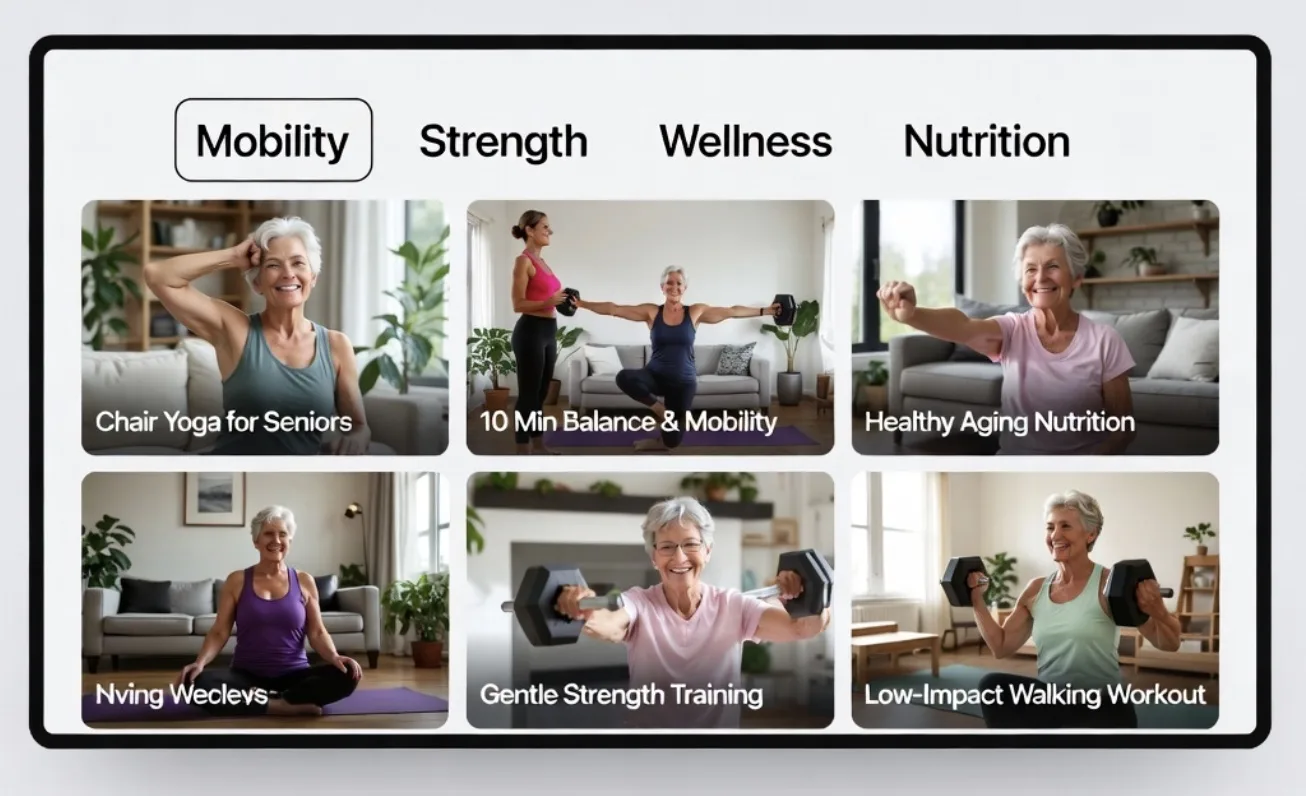
Your Everyday Health Companion: How EverThrive RTM Helps You Live Better Every Day
Most Medicare beneficiaries have never heard of Remote Therapeutic Monitoring — and that's a problem. Here's what RTM is, who qualifies, and why EverThrive is different.

What Remote Therapeutic Monitoring Means for Patients
A way for your care team to understand how you are doing between appointments, especially when you are following a therapy plan at home.

How RTM Can Help People With Chronic Pain and Mobility Challenges
Living with chronic pain or mobility limitations creates unpredictability in daily life. Remote Therapeutic Monitoring gives care teams a clearer view of how therapy is working outside the clinic.

Remote Therapeutic Monitoring for Respiratory Conditions
Breathing problems can be frightening because they affect the most basic part of daily life. RTM helps care teams track therapy response and symptom patterns for respiratory conditions between appointments.

RTM, RPM, and CCM: What Is the Difference?
Remote Therapeutic Monitoring, Remote Physiologic Monitoring, and Chronic Care Management all involve support between visits — but they are not the same thing. Understanding the differences helps you ask better questions.

What a Care Advocate Can Do in a Remote Therapeutic Monitoring Program
A Remote Therapeutic Monitoring program is only as helpful as the human support behind it. Technology can collect information, but people need encouragement, explanation, follow-through, and reassurance.
How Remote Therapeutic Monitoring Supports Aging at Home
For many older adults, remaining in their own homes represents more than preference — it embodies autonomy, familiarity, routine, and dignity. RTM helps bridge the gap between appointments.

How RTM Supports Therapy Adherence Without Making Patients Feel Watched
RTM should support therapy adherence by helping patients and care teams understand what is working and what needs adjustment — not by creating a surveillance experience.

Remote Therapeutic Monitoring After Injury, Surgery, or Physical Therapy
Recovery is often unpredictable. Following injury, surgery, or physical therapy, patients may encounter pain, stiffness, fear, or fatigue that slows progress. RTM gives care teams visibility into how recovery is going between appointments.

The Everyday Benefits of RTM: Support, Confidence, and Better Conversations
Remote Therapeutic Monitoring delivers value beyond clinical metrics. Daily benefits include enhanced feelings of support, greater accountability, and improved confidence in following therapy plans.

What Is Remote Therapeutic Monitoring and Why Are More Families Looking at It?
Remote therapeutic monitoring is becoming increasingly important for care at home, particularly for older adults and those managing ongoing therapy plans.